by Kathe Barge | Oct 1, 2026 | Buyers, Buying Conditions, Contracts, Design, Helpful Tips, Home Improvements, Inspections, Listings, Market Trends, Marketing, Negotiation, Property Updates, Property Value, Real Estate, Selling Conditions
Historic homes draw buyers in for obvious reasons. Architectural detail, craftsmanship, and a sense of history are hard to replicate. But evaluating them requires a different mindset than assessing newer construction, and most overwhelm comes from applying modern expectations to older design without acknowledging the tradeoffs.
One of the first realities to confront is how these homes were designed to be lived in. Floor plans often reflect another era. Rooms are defined rather than open. Kitchens may feel secondary rather than central. Ceiling heights, circulation, and storage can differ significantly from what buyers are accustomed to today. The question isn’t whether those layouts are “good” or “bad,” but whether you can work with it, because structural changes are often cost prohibitive.
Maintenance is another area where expectations matter. Older homes typically require more frequent attention, even when they’ve been well cared for. Roofs, masonry, windows, and mechanical systems may need ongoing maintenance rather than occasional replacement. Buyers who struggle are usually not surprised by the maintenance; they’re surprised by the pace of it. Budgeting for stewardship, not just acquisition, is essential.
Upgrades also deserve a reality check. Many buyers assume modernization is simply a matter of time and money. In older homes, structural constraints, original materials, and system layouts often limit what can be changed easily or economically. Understanding what is realistically achievable, and what will always remain part of the home’s character, prevents frustration later.
In Sewickley, these considerations are part of the appeal. The area is rich with historic homes that offer scale, detail, and setting that simply aren’t being built today. Buyers who approach them with clear expectations often find that the beauty, walkability, and sense of place more than justify the compromises that come with older construction.
If you’re drawn to an older home, the goal isn’t to eliminate complexity – it’s to understand it well enough to enjoy what makes these properties special.
by Kathe Barge | Oct 1, 2026 | Buyers, Buying Conditions, Contracts, Design, Helpful Tips, Inspections, Listings, Market Trends, Marketing, Negotiation, Real Estate, Selling Conditions
The real decision sellers face with inspections is not whether issues exist. It is whether they will be discovered calmly, on the seller’s timeline, or under pressure, on the buyer’s.
When sellers wait for a buyer’s inspection, they surrender control early. The buyer chooses the inspector, frames the findings, and sets the urgency. Even minor issues arrive bundled with deadlines and leverage. What could have been a manageable repair or disclosure becomes a negotiation point simply because of timing.
Experienced sellers choose pre-inspection because it restores control. They decide when information is gathered, how it is presented, and which items warrant action. That sequencing matters. Repairs can be completed thoughtfully, with trusted contractors and known costs, rather than reacting to buyer estimates that are often conservative, inflated, or both.
Pre-inspection also changes buyer psychology in subtle but important ways. Buyers do not read it as a promise of perfection. They read it as preparedness. Clear disclosures reduce suspicion, shorten inspection timelines, and keep attention focused on whether the home fits their life rather than what might be hidden behind the walls.
This strategy does not mean fixing everything. Strategic sellers separate material issues from normal wear and disclose accordingly. Some items are repaired. Others are left as-is and priced or credited transparently. What matters is that nothing emerges late, when leverage has shifted.
Surprises rarely come from condition alone. They come from delayed decisions that force sellers to respond instead of lead.
Sellers who avoid surprises don’t do more work. They make earlier, smarter decisions about control.

by Kathe Barge | Jun 24, 2026 | Buyers, Buying Conditions, Contracts, Design, Helpful Tips, Home Staging, Inspections, Listings, Market Trends, Marketing, Property Updates, Property Value, Real Estate, Sellers, Sellers-Contracts, Selling Conditions
A critically important moment in a home sale happens before a buyer ever steps through the door. It happens when they see the photographs. At that point, buyers are not evaluating your home generously. They are making fast judgments about value, condition, and whether your home is worth their time.
Many sellers assume the decision is simply to hire a professional photographer. That is necessary, but it is not sufficient. The real decision is whether the home is prepared specifically for photography before the camera ever comes out. Homes that skip this step often look cluttered, dim, or oddly proportioned in photos, even if they show reasonably well in person.
I regularly see homes where the seller cleaned thoroughly but did not edit. Lamps are mismatched. Furniture blocks sightlines. Counters are technically clean but visually busy. Beds are not well dressed. In photographs, these details signal distraction, disorder or a lack of care. Buyers do not articulate it, but they quietly downgrade the home’s perceived value and move on.
An experienced agent does not just schedule photos. They walk the house beforehand with a photographer’s eye, adjusting furniture, suggesting additions that will improve photos, removing pieces that compress rooms, managing light sources, and deciding what should be visible and what should disappear. The consequence is clarity. Rooms read larger, calmer, and more intentional.
This matters even more because your buyer may not be local. Relocating and out-of-town buyers rely almost entirely on photos to decide whether to pursue a home. If the photography underperforms, you never make their shortlist, and no amount of charm later can recover that lost opportunity.
If a move is on your radar this year, evaluating the launch decisions early often leads to better outcomes.
by Kathe Barge | Jun 24, 2026 | Buyers, Buying Conditions, Contracts, Design, Helpful Tips, Home Staging, Inspections, Listings, Market Trends, Marketing, Property Updates, Property Value, Real Estate, Sellers, Sellers-Contracts, Selling Conditions
A transaction can look simple on paper and still require real strategy to keep it intact. Clean offers don’t unravel because deadlines are ignored, but because sellers underestimate how many decisions still matter once a deal is under contract.
The first decision is how the home is presented after acceptance. Inspections, appraisals, and buyer return visits are not neutral moments. If the home appears cluttered, dirty, partially packed, or less cared for than it did during showings, buyers often infer, rightly or wrongly, that the home isn’t worth what they agreed to pay. That perception shift invites scrutiny. Experienced sellers maintain the same standard of presentation throughout the process to protect value and buyer confidence.
The second decision is how sellers handle inspection findings emotionally and strategically. In many “easy” deals, sellers assume there will be no issues and are caught off guard when something does surface. The risk isn’t the finding itself; it’s the reaction. Defensiveness or rigid responses can quickly stall momentum. Sellers who approach inspection requests with perspective, assessing what is reasonable and what is not, preserve leverage and keep the deal moving.
The third decision is how sellers deliver on their contractual obligations. Late in the process, buyers rarely renegotiate because they want more, they renegotiate because something is missing. Homes that are not fully cleared out, yards that are not maintained, agreed items left unfinished, or fixtures removed improperly create legitimate performance issues. Those missteps hand buyers leverage at exactly the moment sellers want certainty.
Simple transactions stay simple when sellers treat them as managed processes rather than foregone conclusions. The role of a seasoned agent is to anticipate where pressure builds, keep expectations aligned, and make sure the home, and the seller, perform exactly as promised.
If a move is on your radar this year, evaluating the decision points early often leads to better outcomes.

by Kathe Barge | Apr 23, 2026 | Buyers, Buying Conditions, Design, Helpful Tips, Home Improvements, Home Staging, Listings, Market Trends, Marketing, Property Updates, Property Value, Real Estate, Sellers, Sellers-Contracts, Selling Conditions
The real decision sellers face isn’t whether a home needs work, it’s how to handle that work in a way that preserves control and minimizes negotiation risk. The most reliable way to do that is to start with a pre-inspection.
When a pre-inspection identifies safety, mechanical, or functional issues, fixing them before listing usually gives sellers the strongest position. Just as important, it allows the seller to control the scope and cost of the work upfront. Once a buyer is under contract, repair decisions are no longer strategic – they’re reactive, and the pricing is often driven by whichever contractor the buyer chooses to call. Addressing these items in advance reduces surprises and keeps negotiations from escalating unnecessarily.
Credits work best when they are offered intentionally and disclosed upfront, not negotiated under pressure. In my experience, credits should be reserved for obvious, finite items a seller can’t or shouldn’t address, such as worn carpeting that a buyer may want to replace to their own taste. By identifying these items in advance and accounting for them transparently, sellers reduce the chance of inflated requests later in the transaction.
Older systems require a different approach. A furnace or HVAC system nearing the end of its design life doesn’t always warrant replacement if it’s functioning properly. In these cases, offering a home warranty can be a more effective solution, reassuring buyers while avoiding unnecessary pre-sale expense. This keeps the focus on performance rather than age alone.
Cosmetic decisions deserve nuance. Large-scale renovations aimed at predicting buyer taste rarely pay off. However, inexpensive, high-impact cosmetic improvements – updated lighting, fresh neutral paint, refreshed hardware – often do. These changes influence how a home photographs, how it shows, and how buyers emotionally respond, without over-improving or distorting value.
Where sellers get into trouble is making these decisions late, after the home is on the market or under contract, when urgency replaces judgment. A calm, inspection-driven plan allows each choice to be made deliberately, with predictable outcomes.
If a move is on your radar this year, evaluating these decision points early often leads to better outcomes.

by Kathe Barge | Apr 23, 2026 | Buyers, Buying Conditions, Design, Helpful Tips, Home Staging, Listings, Market Trends, Marketing, Property Updates, Property Value, Real Estate, Sellers, Sellers-Contracts, Selling Conditions
The first week on market is when leverage is created. Buyers and agents are deciding quickly whether a home demands immediate action or whether it can be approached slowly. That early judgment shapes both price and terms.
One of the most important decisions happens before the listing goes live: how prepared the seller is to support fast, confident decision-making. Strong responsiveness in week one isn’t about scrambling for answers. It’s the result of homework done in advance. Sellers who provide utility bills, a clear list of improvements, surveys, permits, warranties, and other key documentation allow their agent to respond immediately and precisely. That clarity keeps buyers engaged while interest is high.
Access strategy at launch matters just as much. Giving buyers early or quiet access almost always works against the seller. Buyers who see a home too early have time to overthink, compare endlessly, and talk themselves out of action. The pressure of the market, not time, is what motivates commitment.
Premium outcomes come from compressed exposure. When a home launches publicly, with showings beginning at a firm, visible start date, more buyers are evaluating the home at the same moment. That overlap is what creates urgency, strengthens terms, and pushes buyers to put their best foot forward.
Once that initial window passes, leverage rarely improves on its own. Later adjustments are usually attempts to recreate a level of attention and competition that only exists at the start.
If a move is on your radar this year, planning the first week with this level of intention often leads to materially better results.

by Kathe Barge | Mar 15, 2026 | Buyers, Buying Conditions, Contracts, Design, Helpful Tips, Home Improvements, Home Staging, Listings, Market Trends, Marketing, Property Updates, Property Value, Real Estate, Sellers, Sellers-Contracts, Selling Conditions
Ten years ago, luxury in Sewickley was largely measured by scale. Buyers compared square footage, room counts, and architectural presence, assuming that bigger translated to better. Today, the decisions I see buyers make tell a very different story. Luxury is now evaluated by how a home actually lives, not how large it appears on paper.
Functionality has overtaken size as the primary differentiator. Open kitchens that genuinely connect to daily living spaces outperform formal rooms that sit unused. First-floor offices with doors, practical mudrooms, and thoughtfully placed laundry matter more than extra rooms added for the sake of square footage. When I review buyer feedback, flow and livability consistently outweigh sheer size.
This shift has created a critical pricing and comparison risk for luxury sellers. I often see owners compare their home to other high-end properties based on square footage or price-per-foot alone, without overlaying how those homes function. Smaller homes with more family-friendly layouts, more natural light, and stronger indoor-outdoor connections are frequently receiving higher offers, not because they are “better houses,” but because they work better for today’s buyers.
Outdoor space reflects the same change in standards. Acreage alone used to carry weight. Now, buyers respond more strongly to usable outdoor environments — covered porches, patios with privacy, and direct access from main living areas. A well-designed outdoor space that supports everyday use can outperform a larger lot that lacks intention.
This is where experienced guidance matters. Evaluating a luxury home today requires more than pulling comparable sales. It requires understanding how buyer expectations have evolved and adjusting comparisons accordingly. When functionality is ignored, homes can be mispriced, feedback can be misread, and leverage can erode quickly.
If you own a higher-end home and a move may be ahead, April is a sensible time to evaluate how your home truly compares – not just in size, but in how it lives.
by Kathe Barge | Feb 14, 2026 | Buying Conditions, Design, Helpful Tips, Home Improvements, Home Staging, Inspections, Listings, Market Trends, Marketing, Property Updates, Property Value, Real Estate, Sellers, Sellers-Contracts, Selling Conditions
Not all preparation is equal, and the biggest mistake I see sellers make is assuming “more work” automatically means “more value.” In reality, smart preparation is about triage, not improvement.
First, I separate non-negotiables from optional upgrades. Safety, mechanical, and functional issues: roof concerns, aging HVAC components, electrical problems show up immediately in inspections. When these are ignored, buyers either reduce their offer upfront or come back with repair demands that shift leverage away from the seller. A pre-inspection allows us to address, or price around, these items deliberately instead of defensively.
Second, I evaluate cosmetic clarity, not design reinvention. Fresh paint in a neutral palette, updated lighting, and modern hardware consistently outperform larger renovation projects. These changes photograph well, reduce buyer hesitation, and support strong pricing without introducing construction delays or budget overruns.
Third, I actively discourage over-improvement. Kitchens, baths, and major layout changes rarely return dollar-for-dollar unless the home is meaningfully below market expectations for its price point. In those cases, we either price accordingly using a data-driven CMA or make narrowly targeted updates, not wholesale remodels.
What tends to go wrong is spending emotionally instead of strategically, fixing what bothers the seller instead of what buyers actually discount. Preparation that pays is preparation that protects leverage.
If selling this year is even a possibility, early spring is the right time to evaluate which projects are worth doing, and which are best left undone.

by Kathe Barge | Apr 17, 2025 | Buyers, Buying Conditions, Design, Downsizing, Helpful Tips, Market Trends, Property Updates, Sellers, Selling Conditions
Ask Kathe: What should I do with all of my stuff when I downsize?
It’s one of the most common questions I’m asked—and one of the most daunting parts of right-sizing. After a lifetime of accumulating furniture, keepsakes, and “just in case” items, facing it all at once can feel overwhelming. But if you’re preparing for a move that better suits your current lifestyle, there is a thoughtful and manageable way to begin.
Start by reframing the challenge. This isn’t just about what to do with everything you own—it’s about identifying what truly supports the way you live now, and what you want to bring with you into your next chapter. If you already know where you’re going, let the new space guide your decisions. Consider what will realistically fit and function well. From there, begin sorting:
- Keep what you use regularly and still enjoy.
- Pass down heirlooms and meaningful items to family or friends.
- Donate pieces that are still useful but no longer serve you.
- Sell furniture, art, or collections with market value.
- Discard what is broken, outdated, or no longer needed.
Tackle one area at a time—starting with spaces that carry less emotional weight, like the garage or basement. And allow yourself enough time; this is a process, not a weekend project.
There are also professionals who can help—from organizers and estate sale managers to consignment shops and charitable organizations. The goal isn’t to rush through it, but to thoughtfully edit down to what matters most.
Many of my clients tell me they feel lighter once they’ve let go of the excess. Downsizing, when done intentionally, can be freeing—not just physically, but emotionally.
If a move is on your horizon, I’m here to help you navigate it—from planning and preparation to finding the right place to land next.
by Kathe Barge | Apr 17, 2025 | Buyers, Buying Conditions, Design, Downsizing, Helpful Tips, Market Trends, Property Value, Sellers, Selling Conditions
What Does It Really Mean to Right-Size Your Home?
Luxury means different things at different stages of life. When you’re in the midst of raising a family, right-sizing might mean moving up—finding a home with more bedrooms, a bigger yard, or extra space to spread out. But as life evolves, so do our needs—and increasingly, buyers are redefining what luxury really looks like.
Today, right-sizing has become one of the most sought-after lifestyle moves. It’s not about “downsizing” in the traditional sense—it’s about choosing a home that aligns with how you live now. That might mean less maintenance, a smarter floor plan, single-level living, or a more walkable location. It’s about trading excess for ease, and prioritizing function, comfort, and quality.
Buyers in their 50s and 60s, in particular, are leading the trend—looking for spaces that feel intentional and refined rather than oversized and overwhelming. But the concept resonates at every stage. Right-sizing is ultimately about making a thoughtful, strategic move, whether that’s up, down, or simply over.
There are financial advantages as well. Right-sized homes typically carry utility bills, taxes, and maintenance costs that are properly aligned with the space you actually use—and need—right now. That makes them not only easier to manage, but also more efficient investments.
If you’ve been wondering whether your current home still suits your life, it may be time to consider a change. Right-sizing isn’t about having less. It’s about having exactly what you need—and nothing you don’t.

by Kathe Barge | Apr 16, 2024 | Blog, Design, Helpful Tips, Home Improvements, Home Staging, Listings, Market Trends, Mortgage, Property Updates, Property Value, Sellers, Selling Conditions
What are some cost-effective ways to increase the value of my property before putting it on the market?
Boosting the value of your property doesn’t always require significant financial investment. There are several cost-effective strategies that can enhance your home’s appeal and attract potential buyers at a low out of pocket cost. One approach is to focus on curb appeal. Simple yet impactful improvements such as freshening up the exterior paint (particularly the front door), mowing the lawn, trimming bushes, weeding your landscaping beds and adding potted plants or flowers can instantly elevate the first impression of your property. A well-maintained and inviting exterior not only attracts buyers but also sets the tone for the rest of the home tour.
Another cost-effective way to increase the value of your property is by making small changes to modernize its design aesthetic. Upgrading key features such as lighting fixtures, faucets, and cabinet hardware can give your home a modern and refreshed look without breaking the bank. Changing out worn or dated carpeting is also easy and reasonably cost effective/
Furthermore, don’t underestimate the power of a thorough cleaning and decluttering. Clearing out excess clutter, organizing closets, and deep cleaning surfaces can make your home feel more spacious, inviting, and well-maintained. This simple yet effective step allows buyers to envision themselves living in the space and highlights the full potential of your property.
By implementing these cost-effective strategies, you can increase the value of your property and attract more buyers, ultimately maximizing your return on investment when it’s time to sell. If you’d like advice specific to your home, whether you are considering selling this year or in five, please reach out to me!
by Kathe Barge | Feb 12, 2024 | Blog, Buyers, Buying Conditions, Design, Helpful Tips, Home Staging, Inspections, Investment Properties, Listings, Property Updates, Property Value, Sellers, Selling Conditions
How do you approach homes that may not be ready for market when you first see them? Is it better if the home is completely ready before you see it?
Generally, its best if I see your home before you make any changes to get it ready for market. After 25 years selling real estate in this town, I am able to help you figure out where your money is best invested to reap the highest return from the market and advise you on current trends. You may be focusing on things that are not important to buyers, and may overlook things that are.
Realizing top market value is a common goal for sellers, and in today’s HGTV-inspired market, it’s achievable with the right preparations. I’m here to guide you through those decisions, using my market expertise to ensure that your investments are both wise and likely to return their value. Together, we can navigate the nuances of the market’s current expectations. My role is to provide you with candid, constructive feedback to help you understand the market’s perspective. It’s a collaborative journey, where I share insights—not to criticize, but to empower you. I appreciate the love and care you’ve invested in your home, and my aim is to honor that by positioning your property as a compelling opportunity for buyers, avoiding the pitfalls of a stagnant listing or the need for multiple price adjustments. Therefore, while your home’s story is uniquely yours, I’m here to help translate it into the universal language of the current market for a seamless sale. Let’s work together to turn your home’s potential into a polished presentation that stands out, ensuring you don’t just list your house, but truly showcase it for what it can offer to the next owner!
by Kathe Barge | Dec 4, 2023 | Buyers, Buying Conditions, Design, Helpful Tips, Home Improvements, Home Staging, Listings, Market Trends, Marketing, Property Updates, Property Value, Real Estate, Sellers, Selling Conditions
As we consider listing our home, what are the best, quick, and affordable changes we can make to enhance its sales appeal?
First impressions are pivotal when selling your home, and a fresh coat of paint is one of the most cost-efficient ways to make a dramatic impact. Choose neutral shades that not only provide a blank canvas for buyers but also complement any decor style they might imagine. Light hues can make small spaces feel larger and more open, while soft tones can soothe and welcome. If a full house repaint isn’t feasible, focus on high-traffic areas and any walls with noticeable wear. Pair this with strategic touch-ups such as baseboard polishing, door frame repairs, and elimination of scuff marks to convey meticulous maintenance.
Enhancing curb appeal is another transformative and budget-friendly strategy. Start with basic landscaping; prune overgrown bushes, weed garden beds, and add vibrant plants for color. Ensure your lawn is green and manicured, as a healthy lawn is synonymous with diligent upkeep. The entryway is also crucial—consider a new doormat, potted plants, and perhaps a fresh coat of paint on the front door to make a welcoming statement.
Internally, decluttering and depersonalizing spaces are essential. This process involves more than just tidying; it requires removing excess furniture and personal items to showcase the spaciousness and potential of each room. Follow this by deep cleaning every corner of your home, from steam-cleaning carpets to scrubbing grout lines, to present a spotless environment. Updating fixtures and fittings, such as doorknobs, cabinet pulls, and light fixtures, with modern alternatives can refresh the entire feel of your home. These changes, while seemingly small, can significantly modernize the space and increase its appeal to buyers who are often looking for move-in-ready homes.
In summary, a few well-considered changes can have a substantial effect on the appeal of your home. Fresh paint, curb appeal, and thoughtful interior updates are practical and financially savvy ways to enhance your home’s attractiveness to potential buyers. As always, if you’re looking for tailored advice or have specific questions about preparing your home for sale, don’t hesitate to reach out. With the right preparations, we can ensure your home stands out in the market and catches the eye of discerning buyers.
by Kathe Barge | Jun 23, 2023 | Buyers, Buying Conditions, Design, Helpful Tips, Home Improvements, Home Staging, Listings, Market Trends, Marketing, Property Updates, Real Estate, Sellers, Selling Conditions
Do you think it’s a good investment to stage our home before putting it on the market?
Home staging is one of the most important things a seller can do to improve their chances for a successful sale! Staging is just as important as is getting the price right when it comes to attracting the most buyers and driving in the best possible offer. The National Association of Realtors shares “Buyers want to easily envision themselves within a new home, and home staging is a way to showcase the property in its best light.”
Why is staging so important? The overwhelming majority of buyers start their home search online and surveys show that buyers who see photos of a staged property online are more willing to do a physical walkthrough of the property. 81% of buyer’s agents surveyed indicated that staging helps their clients visualize life in a home. A third say that staging boosts home value, particularly if the aesthetic fits the client’s tastes. And nearly one quarter of survey respondents say that staging may help buyers look past property faults.
Home staging is typically done by trained professionals specializing in readying homes for the best possible outcome when they hit the market. While Realtors can provide advice, a home stager’s expert eye can make a huge difference in the success of your sale. Sometimes stagers can work with your furnishings, and sometimes they bring in rented furnishings. Yes, it is an expense, but in my professional opinion, sometimes it takes money to make money, and home staging is an excellent investment to generate the best possible returns!
Don’t just list your home, get it the attention it deserves by making sure it looks its very best from the outset!

by Kathe Barge | Jun 13, 2023 | Buyers, Buying Conditions, Design, Downsizing, Helpful Tips, Home Improvements, Property Value, Sellers, Selling Conditions
Both our bathrooms have claw-foot tubs which I am thinking of replacing with walk-in showers. What is the value of having a tub in the bathroom in place of a shower or in addition to a shower?
Every home must have at least one bathtub. A prospective buyer might have kids or just like a good soak and many will reject a home if there isn’t a tub available. More often than not, if there is only one tub in a home it is in a kid’s bathroom, and this is most commonly configured as a tub/shower combination. There could be a tub in the master bathroom as well, but only if there is abundant space. If you have to choose between a large, luxurious (spacious) shower in the master or a tub/shower, ditch the tub and go for a pure shower. If there are multiple kids bathrooms, then only one needs to have a tub. Typically, that tub is not a claw foot tub unless it has a shower ring (which is not tremendously appealing). When claw foot tubs remain, they are typically in a bathroom that has plenty of room for both a shower and a tub. Re-glazed, these antique tubs can be the focal point of a remodeled luxury bath.
As far as value goes, value is really only recouped if you remodel the entire bathroom. In other words, if you put in a new shower but leave the old floor tile and old vanity, you really have added no value. If you redo the whole bathroom, you will likely recoup more than what you pay to remodel the bathroom, as long as you shop smartly when doing your remodel and sell your home while the bathroom still feels current (under 15 years). It is also very important to make choices that are classic and stand the test of time if you don’t want your home to feel dated sooner rather than later. I suggest, given the age of your home, that you make classic choices — Carrera marble, white subway tile, and silver-tone fixtures would all be timeless choices appropriate for an historic home.
Of course, I am available to provide on-site advice if that would be helpful to you as you have many options – give me a call – I’m happy to provide my free advice!
by Kathe Barge | May 8, 2023 | Buyers, Design, Helpful Tips, Home Improvements, Home Staging, Listings, Market Trends, Marketing, Property Updates, Property Value, Real Estate, Sellers, Selling Conditions
We are planning to update the color palette in our home. What are the “in” colors these days?
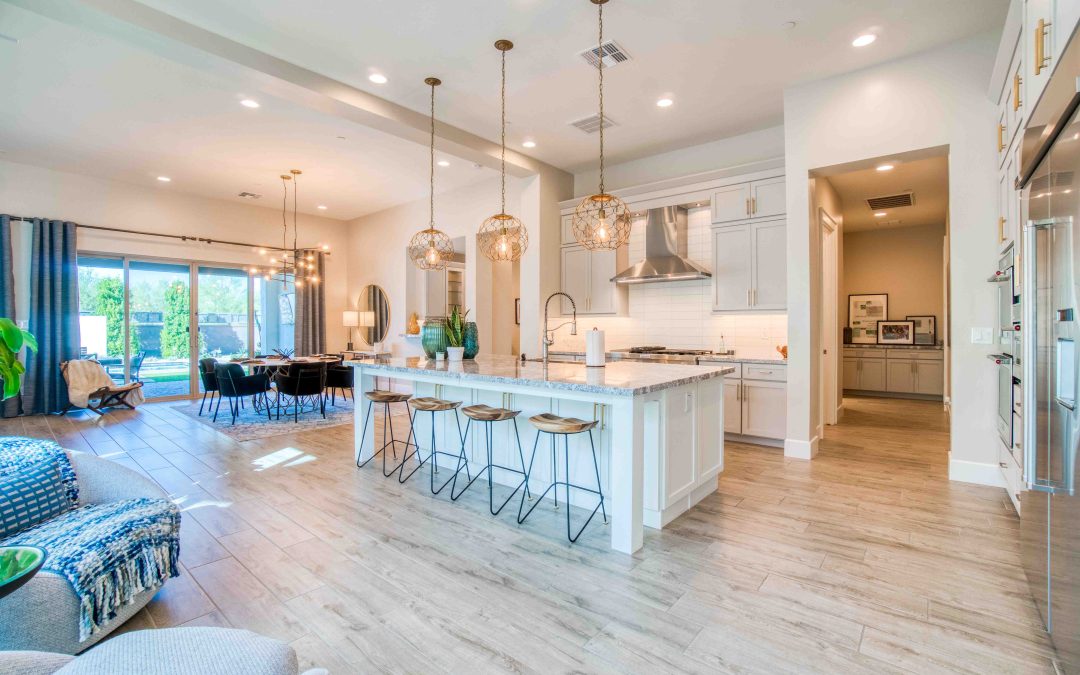
Gray (and its many shades including greige) have been in-style for so long now that its hard to imagine it still holds its alure, and many homeowners are venturing into different color palettes. However, gray is still extremely popular with buyers – homes painted in a gray/greige and white color palette almost universally fly off the market. And if you have to choose between gray/greige and any other color (except white), always choose gray! If you need a break from gray, however, the incoming trend is strongly leaning towards the whites. White comes in so many shades – and even straight out of the can white is quite a nice and refreshing color. In some cases white is being combined with an accent wall in a gray tone or other neutral, and this can work quite well.
Of course, like any other color, it is critical that you choose the correct shade of white to compliment your trim. It is easy to end up with the walls clashing with the trim if you are not careful! An easy solution is to paint the walls the same color white as your trim! Don’t let the whites fool you – there are so many shades of white, and before you paint be sure to look at the undertones in the white to determine which undertone you prefer – a tiny hint of gray? Pink? Green? Unless you use the white straight out of the can, there will always be an undertone.
Where to start your painting? Strong colors and yellow tones are not currently where the buying market is, so its best to start be repainting rooms that are currently wallpapered (also not popular with buyers unless the wallpaper is pretty new and very trendy) and rooms that are painted the strongest colors. In an ideal world, you will ultimately create an interior aesthetic that, while ever room does not need to be the same, the colors blend nicely together.

by Kathe Barge | Nov 14, 2022 | Blog, Design, Helpful Tips, Listings, Marketing, Sellers, Selling Conditions
Our home is on the market – is it ok to show it decorated for the holidays?
Decorating for the holidays while your home is on the market is not a bad idea – homes often look their best decorated for the holidays – as long as a few basic guidelines are followed. Briefly stated, when decorating this holiday season, keep your decorations more neutral and reasonably simple.
Start by taking a more minimalist approach. You may have bins and bins of holiday decorations like I do, but when your home is on the market, its best to leave some of those decorations packed away. Choose decorations that have less of a religious theme. Snowmen, evergreen wreaths, poinsettias and nutcrackers, for example, have broad appeal. Be careful that the decorations that you do choose compliment your décor. You may have changed the color scheme in your home since buying your holiday decorations and it’s important that they don’t clash! Don’t over-decorate the exterior of your home either. A few well placed, tasteful strands of lights or an attractive evergreen wreath can add sense of warmth to your home, but keep your inflatables packed up!
If you bring in a tree, make sure it doesn’t overwhelm the room. This year a tall, skinny tree might be the best choice so that the room doesn’t feel small. And of course, consider using decorations to highlight some of your home’s special architectural features, such as using candles to draw attention to an attractive fireplace.
When showings are scheduled, a brewing pot of mulled cider or a plate of freshly baked cookies is not only seasonably appropriate but will go along way toward creating an inviting feel for your buyers. And don’t forget – even if you normally keep your thermostat down, be sure to turn it up for showings so that buyers are comfortably warm!
by Kathe Barge | Aug 8, 2022 | Buyers, Buying Conditions, Design, Downsizing, Helpful Tips, Home Improvements, Home Staging, Inspections, Market Trends, Property Updates, Property Value, Real Estate, Sellers, Selling Conditions
We aren’t ready to move but want to update our home – what are the best choices for paint colors and flooring changes, assuming we may want to move in the next few years?
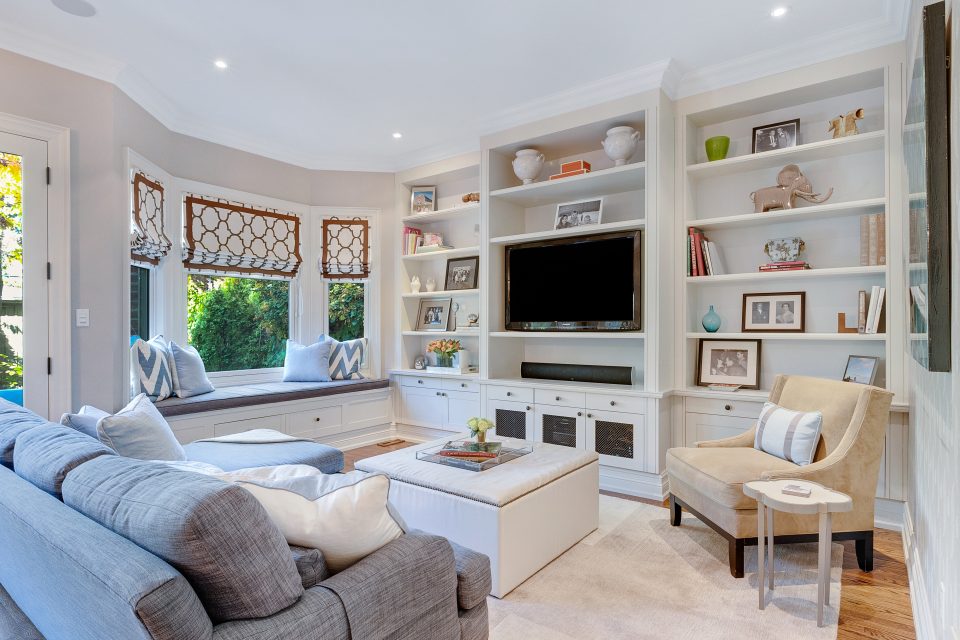
New paint colors must harmonize with the rest of your home, unless you plan to repaint the entire interior of your home, so any suggestions need to be taken in the context of what else is going on inside your home. My best suggestion for a currently fairly timeless paint color is Benjamin Moore’s Edgecomb Gray. This color blends with virtually every shade of white that might be on your trim and nearly every color flooring that might be in your home. It is really more of a greige than a gray and, like a chameleon, changes color a bit depending on what is in the space and what kind of light is filtering in through the windows. However, if your home is a palette if golds, for example, this color might not be the right choice! Trending now is white on white (with trim and walls painted the same or nearly the same shade of white), but this is a design style that is best incorporated throughout the entire home, and not just a singular room. If you have wallpaper in your space, then it’s a very good investment to have it removed (do not paint over it, no matter what the painter tells you) and painted in a color that coordinates with your design aesthetic. Wallpaper overall remains a difficult sell.
As to flooring, real wood floors remain the best investment you can make. They are timeless and easy to refinish if they become worn or if the buyer prefers a different color. I highly recommend choosing a medium tone brown, not too yellow, red or dark and preferably in ¾” thickness. If engineered wood floors are what your budget requires, choose one that the manufacturer indicates can be refinished at least once, and keep a few extra pieces on hand in case you damage any through normal wear and tear. Bamboo is another great option and there are on-line suppliers that offer a variety of shades in ¾” planks – it is very resilient, environmentally friendly and installed can look like hardwood. I do not recommend that you choose the latest trend, “LVL” (luxury vinyl flooring), for anything beyond the basement level of your home. These are plastic floors, and if your home will likely sell for over $500,000, these floors will not be appreciated on the main or upper levels. Finally, carpet in a neutral tone plush (no berber, no mixed colors) is acceptable as long as they are clean and stain free. If you stain them during the remaining time in your home, you would need to replace them again before you sell your home.